NEWS
For Immediate Release | 10.19.2026
Download Photos and Broll,
Gallery Password: HouZoo1922
Photo & video credit: Houston Zoo
HOUSTON (Oct. 19, 2026) – Houston Zoo is celebrating a historic conservation milestone for the endangered Madagascar sacred ibis. All three of the Zoo’s breeding pairs are successfully raising their own chicks this year, a first-ever in Zoo history. The four parent-reared chicks represent more Malagasy sacred ibis chicks than the entire Association of Zoos and Aquariums (AZA) population produced in all previous years combined. The Zoo’s other two chicks, which hatched in 2023 and 2024, were hand-reared by the animal care team after their parents did not tend to their nests. This year, all three breeding pairs successfully incubated eggs, cared for their chicks and raised them to this stage marking a significant achievement for Houston Zoo’s Malagasy sacred ibis flock and the team’s expertise in caring for this endangered species.
Guests can now see all four chicks out and about in the Birds of the World, African Savanna Aviary, where they can often be spotted chasing adults around and begging for their next meal.
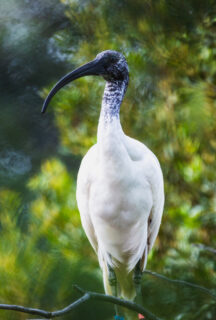
With an estimated world population of 2,300 to 3,000 birds left, the Madagascar sacred ibis is considered endangered by the International Union for the Conservation of Nature (IUCN). They are a large white bird with fluffy black feathers across the rump and a black head. They have blue eyes, stand two to three feet tall with a wingspan of three to four feet wide.
Houston Zoo’s four chicks this year bring the Zoo’s total number of chicks successfully produced to six. As the chicks continue to grow, the Zoo’s animal care team will keep documenting their development and behavior. The resulting data and rearing notes could one day help inform rescue, rehabilitation and release efforts for Malagasy sacred ibis in their native habitat.
Although the 2026 breeding season has concluded, the adults are already showing signs of wanting to nest again, including carrying sticks throughout the aviary. If weather conditions remain favorable, the flock could begin nesting again before the end of the year.
Guests can support Madagascar sacred ibis conservation by visiting the three breeding pairs and new chicks on their next Zoo visit. A portion of each ticket and membership supports the Zoo’s Madagascar conservation partners Groupe d’étude et de recherche sur les primates de Madagascar (GERP), who protect areas that home endangered animals, like the Madagascar sacred ibis.
###
The Houston Zoo connects communities with animals, inspiring action to save wildlife. Established in 1922, today the Zoo is a leading conservation and education nonprofit organization providing care to thousands of animals. All while remaining a cherished destination for fun, family, and inspiration for all of Houston’s diverse communities. The Houston Zoo is accredited by the Association of Zoos and Aquariums (AZA), a 501(c)3 non-profit organization dedicated to the advancement of zoos and aquariums in the areas of conservation, education, science, and recreation. To stay informed about the Houston Zoo, visit www.houstonzoo.org.