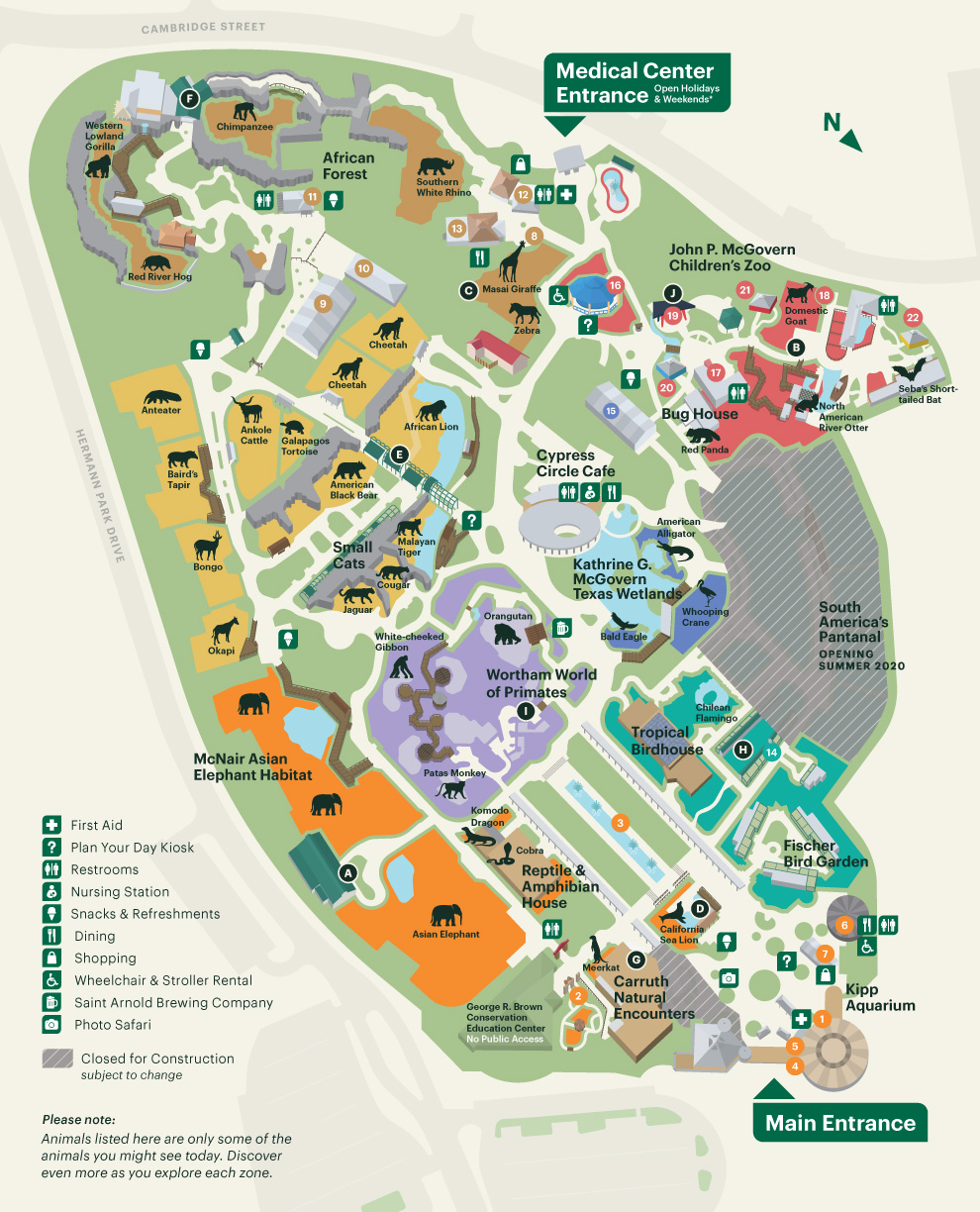
We’re Celebrating International Anteater Day!
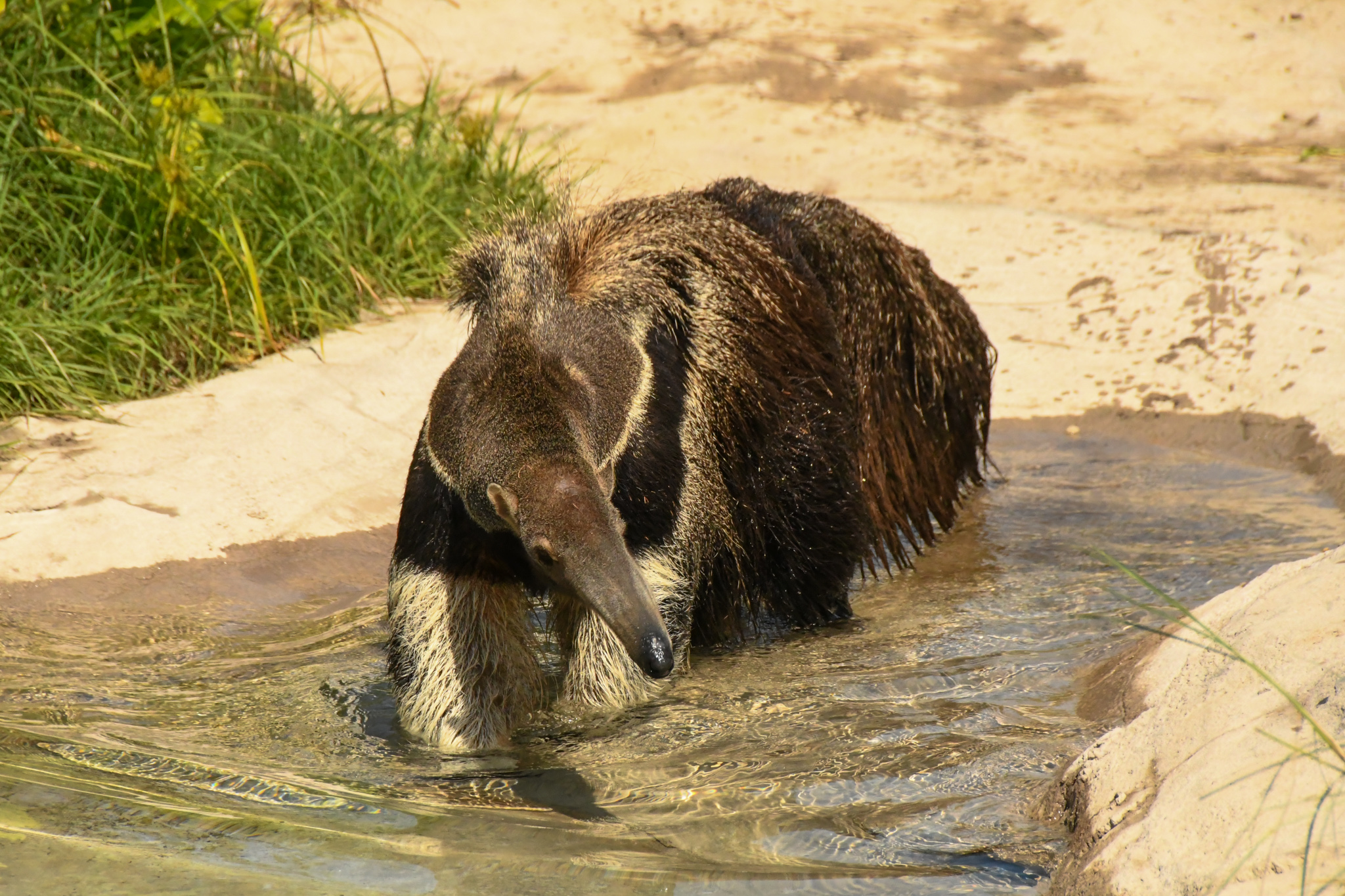
It’s International Anteater Day and this isn’t no ant-sized celebration! We’re highlighting our amazing conservation partners from ICAS-Wildlife Animal Conservation Institute-in is Brazil and all the amazing work they do everyday to help support wild giant anteaters. Journey with us as we explore their latest efforts!
Meet Magnolia and Taylor
In the protected savanna lands near Campo Grande, in the Matto Grosso do Sul State of Brazil, our partners at ICAS are monitoring 24 giant anteaters. Among them are two giant anteaters, Magnolia and Taylor. Magnolia is an adult female who was first captured for a health check on August 1, 2025, weighing 26 kg. She had with her a young offspring estimated to be approximately three months old. Taylor is also an adult female. At her most recent capture, on August 15, 2026, Taylor weighed 31 kg, and after health exams, appeared to be very healthy! It is expected that she will have a baby in the next few months!
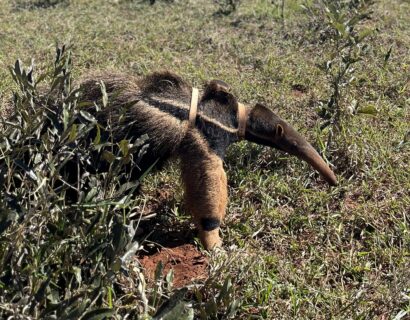
Our partners have been monitoring both Magnolia and Taylor, and they are particularly interested in following their movements and learning more about how they use the landscape to live. (Interestingly, unlike what has been documented in many other mammal species, their studies so far suggest that female giant anteaters may disperse more frequently than males.)
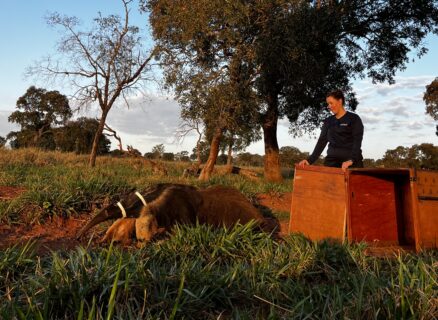
They disperse when they reach adulthood. It happens around the age of 2-3 years. Females can disperse over a huge distance (our partners have already recorded some walking more than 100km!). Then they establish in one place and start to reproduce. Since Magnolia and Taylor already had babies when they were first found, it means that they were adults, had already dispersed, and are now settled in the area where our partners study them.
The threats Giant Anteaters face in the wild
Both females currently live in the APA Guariroba (APA stands for “Environmental Protection Area”), which means a relatively well-preserved landscape compared with many other parts of the Cerrado (the “Brazilian savanna”).
Although the area is not free from human impacts, it offers some important conditions for giant anteaters, such as providing shelter and refuge from extreme temperatures, native vegetation, forest reserves, and more! However, living in a relatively protected landscape does not mean living without threats. Giant anteaters still face several risks, including road/vehicle collisions, dog attacks, and disease transmission.
Here’s how YOU are helping our ant-eating friends
Whether you’re visiting for fun, taking a relaxing stroll, seeing your favorite animals, or just spending time with the family, your ticket or membership goes directly back into the work our partners are doing. Because of you, we’re able to fund our partners to work directly with local communities and landowners to promote coexistence between people, domestic animals, and wildlife.