Meet the Animals Behind Fridays for Wildlife at Zoo Lights
This holiday season, TXU Energy presents Zoo Lights is shining a light on some of Houston Zoo’s most iconic animals and the important conservation work helping protect them in the wild. Fridays for Wildlife at Zoo Lights invites guests to discover a different iconic animal each Friday, how the Zoo works with conservation partners to protect them, and celebrate wildlife with a special animal-themed gift. The first 2,000 guests will receive a limited-edition ornament along with the opportunity to take part in a conservation-focused activity inspired by the animal of the night. While these animals may not be visible during Zoo Lights, their stories offer a glimpse into how a Zoo Lights visit helps to give these animals a future in the wild.
Friday, Nov. 20 – African Lion Hasani
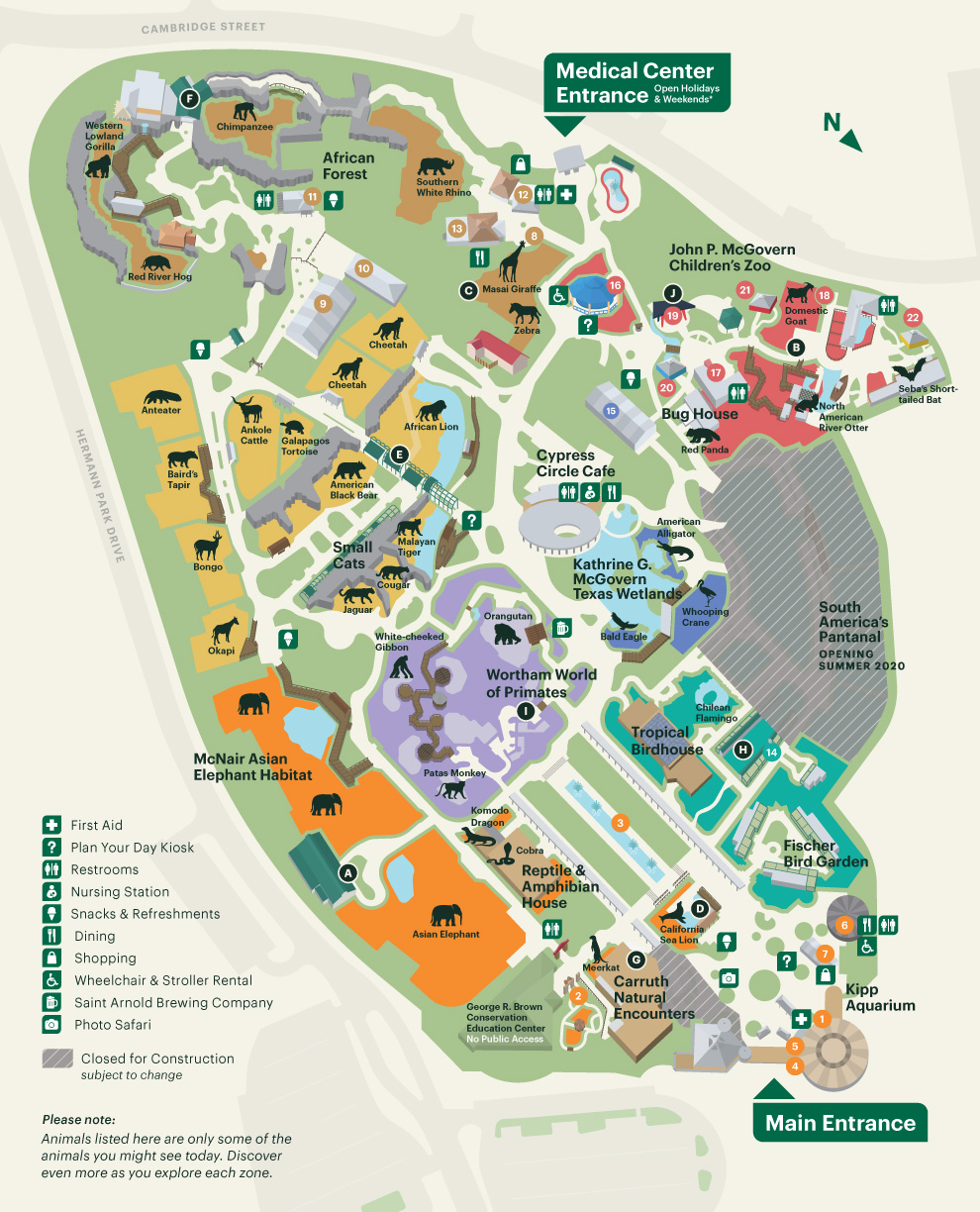
Houston Zoo’s male African lion, Hasani (Swahili for “handsome”) weighs more than 500 pounds and loves enrichment. On hot Houston days, guests can find him stretched out on his back in front of a personal air-conditioning unit, keeping his belly cool. Lions are the only truly social cat species, living in groups called prides, where females rule the family. Houston Zoo partners with Niassa Carnivore Project in Mozambique and Ewaso Lions in Kenya to help protect lions by working alongside local communities to identify behaviors and situations that put people and livestock at risk of attack. Together, they develop and implement strategies that reduce conflict between people and lions, helping communities protect their livelihoods while creating a future where people and wildlife can thrive together.
Friday, Nov. 27 – Asian Elephant Chuck
Houston Zoo recently welcomed Chuck, its newest Asian elephant, adding another important member to its elephant family and reinforcing the Zoo’s commitment to the care and conservation of this endangered species. That commitment extends far beyond the Zoo’s gates. In Borneo, the Houston Zoo partners with Seratu Aatai and local oil palm plantations to better understand how wild elephants navigate modified landscapes and identify opportunities to incorporate wildlife corridors. These corridors connect fragmented patches of habitat, allowing elephants and other native wildlife to move more freely in search of food, water and mates. By supporting this work, the Houston Zoo is helping create a future where people and wildlife can coexist, ensuring that conservation efforts benefit elephants both in human care and in the wild.
Friday, Dec. 4 – California Sea Lion Kamia
Kamia is the largest female in the Houston Zoo’s California sea lion colony, easily recognized by her dark brown coloring, intelligence and athleticism. Her strong personality has made her the dominant female. Kamia serves as an ambassador for her close relatives in the Galápagos Islands, giving guests a chance to connect with a species that depends on healthy oceans. Through its partnership with ECOS Foundation, Houston Zoo supports conservation efforts in the Galápagos that help communities understand and reduce threats to the marine environment, including plastic pollution. By eliminating single-plastic straws, bags and bottles, together we can all help protect the ocean habitat that sea lions and countless other species depend on.
Friday, Dec. 11 – Masai Giraffe Tino
Tino is the youngest Masai giraffe at Houston Zoo, known for his distinctive markings and towering presence. While guests may know Tino as one of the Zoo’s beloved giraffes, he also serves as a representative for his wild counterparts and helps guests understand the work the Zoo is doing to protect the species. Through its partnership with the Somali Giraffe Project in Kenya, the Zoo supports Wildlife Rangers who remove illegal wire traps and prevent poaching, making the landscape safer for giraffes and other wildlife. When giraffes are injured in these traps, veterinary intervention is provided in partnership with Lenya Wildlife Service Mobile Veterinary Unit. By protecting giraffes and their habitat in Kenya, the Zoo is helping ensure that animals like Tino have wild counterparts for generations to come.
Friday, Dec. 18 – Chilean Flamingo
Houston Zoo’s Chilean flamingos are more than a fan favorite in the Birds of the World aviary, but their wild counterparts face growing threats from lithium mining in South America’s Andean highlands. Shallow lake habitats that support Chilean and other highland flamingos are increasingly impacted by mining for lithium, a key metal used in batteries for personal electronics and electric vehicles. Since 2013, Houston Zoo has helped address this threat through its electronics recycling program, giving guests an opportunity to recycle old devices and help reduce the demand for newly mined materials. By making small changes in how we dispose of electronics, we can help protect the fragile habitats that flamingos and other wildlife depend on in the wild.
Friday, Dec. 25 – Western Lowland Gorilla
Chaka is the Zoo’s oldest male gorilla and a confident silverback who like to keep watchful eye on the bachelor group. While he prefers to observe the action from a distance these days, his calm presence and distinctive personality give guests a chance to connect with these remarkable animals. That connection is part of why protecting gorillas in the wild matters. The Zoo supports the Dian Fossey Gorilla Fund who protects gorillas through daily forest patrols, research and habitat protection. The Zoo also partners with Gorilla Doctors who provide critical veterinary care to wild gorillas, including health checks and treatment for injuries and illness. Together, this work helps safeguard wild gorillas and gives future generations the opportunity to experience the same intelligence, individuality, and social bonds that make Chaka so special.