Zoo Crew Teens: How They’re Helping Save Wildlife (And How You Can Too)
As we welcome summer here at the zoo, it isn’t just our ever-dedicated staff who are hard at work helping to protect wildlife– our teens here in Zoo Crew are also taking steps on the path towards a healthier planet.
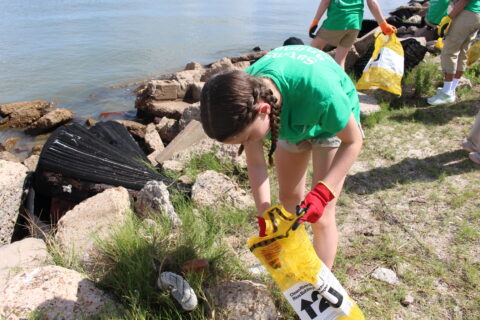
Recently, our Zoo Crew Explorers partnered up with SPLASh and the Gulf Center for Sea Turtle Research to clean up Seawolf Park in Galveston and learn more about actions they can take to better their environment. More specifically, they learned about the different types of plastics and litter, the proper protocol to handle each variety, and what they can do within their communities to reduce the impact of plastic pollution; thus far, they have collected 21 pounds of assorted trash from the beach, including fishing line, plastic bottles, bags, and other pieces that could endanger coastal and marine life. Animals can mistake litter for food or become tangled in it, which can lead to injury or death. That’s why it is incredibly valuable that we all put in the effort to pick up litter. When considering that litter collects around 10 times faster on the Texas Coast than in other coastal states, the efforts of our Zoo Crew and the average civilian become even more valuable
Here in Houston
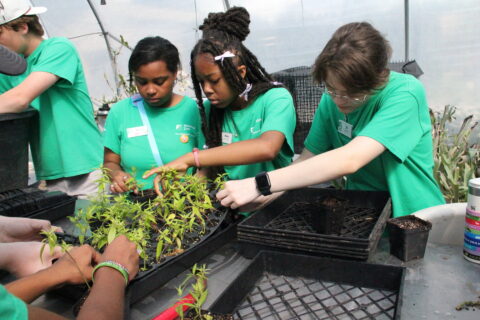
While that was in progress, our Zoo Crew Naturalists spent their time at Hermann Park picking up around 40 lbs of trash from the trail and its surroundings. Later on, they also joined forces with Houston Zoo’s horticulture team to repot a variety of seedlings and prepare them for planting. Outside of community cleanups, the teens also spend much of their time on zoo grounds engaging guests and helping them better understand not only the threats facing wildlife and the environment, but also the actions anyone can take to combat those threats and help save animals in the wild.
On Zoo Grounds
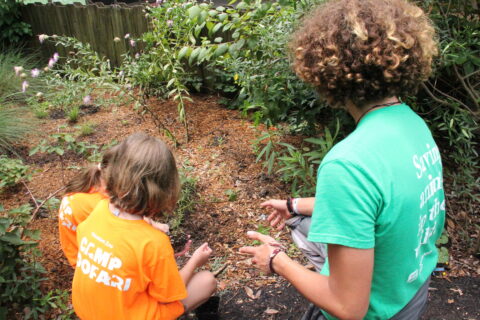
Our Camp Mentors in Zoo Crew took a different course of action by planting milkweed, as well as other native plants, in the zoo’s pollinator gardens to help support local species like monarch butterflies. They also educate the children within Camp Zoofari about the importance of planting milkweed and other native Texas plants. As well as being tons of fun for the kiddos, their planting of native plants also helps support biodiversity, as regional pollinators are readily equipped to support their pollination. These plants also need less maintenance when compared to non-native plants, as they are highly adapted to the soil and climate conditions.
Additionally, the incredible, teen-run Bird Saving Campaign has managed to apply bird-safe windows, which function by using stickers to increase window visibility for birds, across multiple buildings at the zoo to reduce the risk of bird-window collisions. They also promote the Lights Out for Wildlife programme, which makes migration safer for birds by removing light pollution and, therefore, distractions from the moon-led migration path.
What Can You Do?
Although these are actions taken by our teens with access to zoo resources, they are also easily available for any of our readers at home. Take the Lights Out for Wildlife program, for example, with which you can get their home certified by turning off non-essential lights in the home from 11 PM to 6 AM local time, or purchase window clings, which are affordable, easy to use, and in cute shapes for anyone interested in preventing bird strikes. Outside of that, general environmental consciousness can be exercised simply by practising good disposal habits and picking up litter in your community. We only have one planet, so we all need to put just a tiny little droplet of effort into preserving it. Just by visiting Houston zoo or recycling, you, my dear friend, are making waves in environmental safety.
This blog was written by members of Houston Zoo’s Zoo Crew Teens, Alexis Kiew and Francesca Melendez. Through hands-on conservation projects, wildlife education, and community service, Zoo Crew teens learn how their actions can help save animals in the wild. To learn more about Zoo Crew and Houston Zoo Teen Programs, visit Houston Zoo Teen Programs.