Wild About Mom
Celebrate Mother’s Day at Houston Zoo
This Mother’s Day, we’re celebrating the powerful bonds between mothers and their young with a heartwarming look at some of the newest mother-baby duos. The bond between mother and baby varies from species to species. Guests can enjoy perfect Zoo weather this Mother’s Day weekend as they get a rare glimpse at how Asian elephants, jaguars and Masai giraffes protect the special relationship with their young and witness baby animals explore their habitat as moms keep a watchful eye nearby.
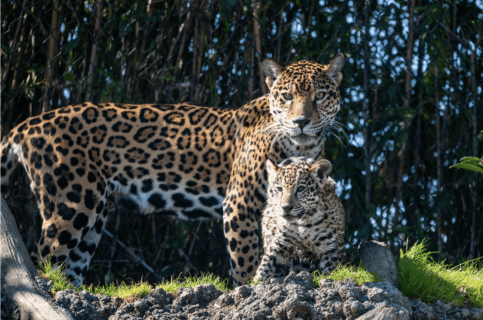
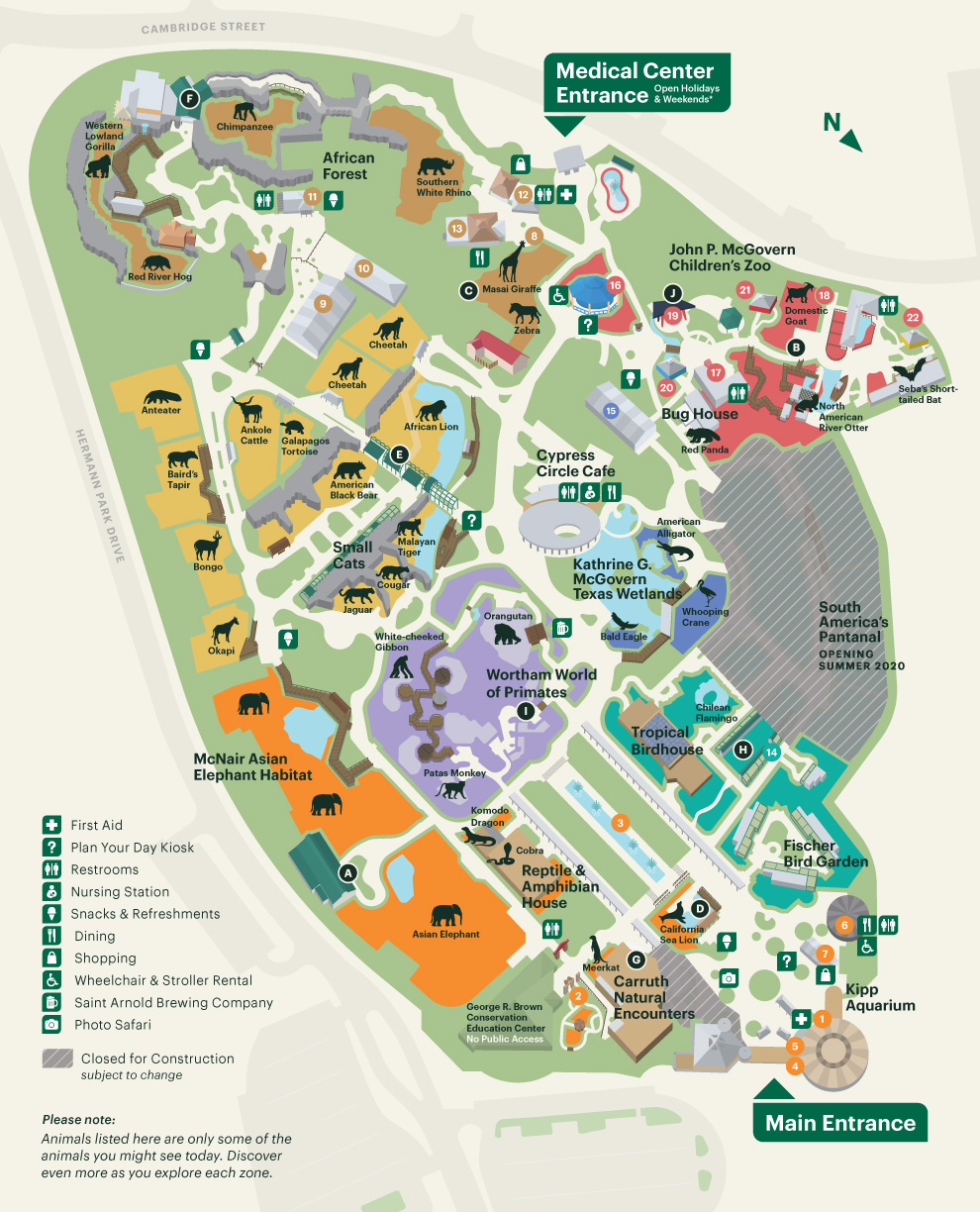
In South America’s Pantanal, guests can spot six-month-old baby jaguar Rojo climbing around his exhibit, napping or being groomed by mom, Vida. Female jaguars are fiercely protective, devoted and known to raise their cubs entirely on their own. Rojo was born at 2.2 pounds and now weighs approximately 45 pounds. As he continues to grow, Vida will teach Rojo essential survival skills including stalking, pouncing and swimming.
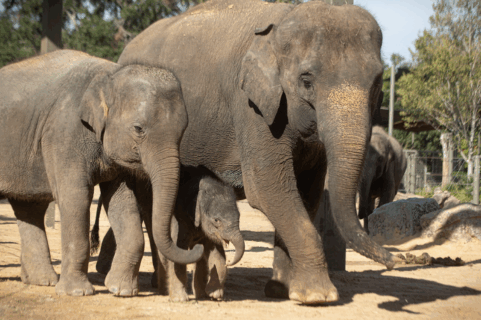 At five months old, global sensation Asian elephant baby Kirby tips the scale at 780 pounds, more than doubling her birth weight of 314 pounds. Kirby is courageous, cute and curious as ever. While always up for an adventure, she is never too far from mom, Shanti, and the rest of the elephant herd. Asian elephants live in a tight-knit matriarchal group where the entire herd helps care of the young. In Kirby’s case, she’s being raised by Shanti, and a loving, multi-generational family group which is vital to her development and emotional well-being.
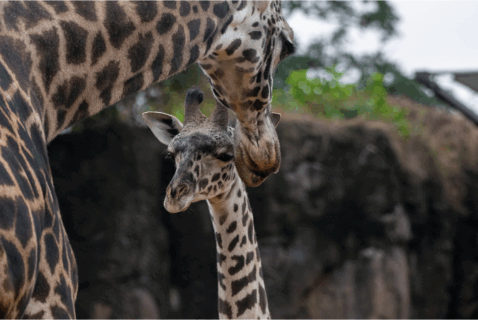 Masai giraffe Tino recently celebrated his first birthday. In the past year, Tino has gained 730 pounds and grew an additional four feet. Standing tall at 10 feet 7 inches, Tino is curious about the public feeding platform but not quite tall enough to reach the lettuce yet. Masai giraffes are a unique kind of caregiver in the animal kingdom. Since baby giraffes are typically standing within 30 minutes of birth this makes the bond more about protection and guidance rather than dependence. While their bond is strong for about 1.5 years, male calves often leave earlier to form their own groups. The calf’s early independence and the mother’s protective instincts help them thrive in the wild.
Guests who visit Houston Zoo this Mother’s Day to see the incredible mother-baby bond between Asian elephants, jaguars and Masai giraffes are helping to save their wild counterparts. A portion of each Zoo membership and ticket goes toward supporting the Zoo’s on-the-ground conservation partners in Borneo, South America and Kenya who are working to save local species.