Houston Zoo Advances Animal Care with Brand-New CT Machine
State-of-the-Art Technology Strengthens Animal Health
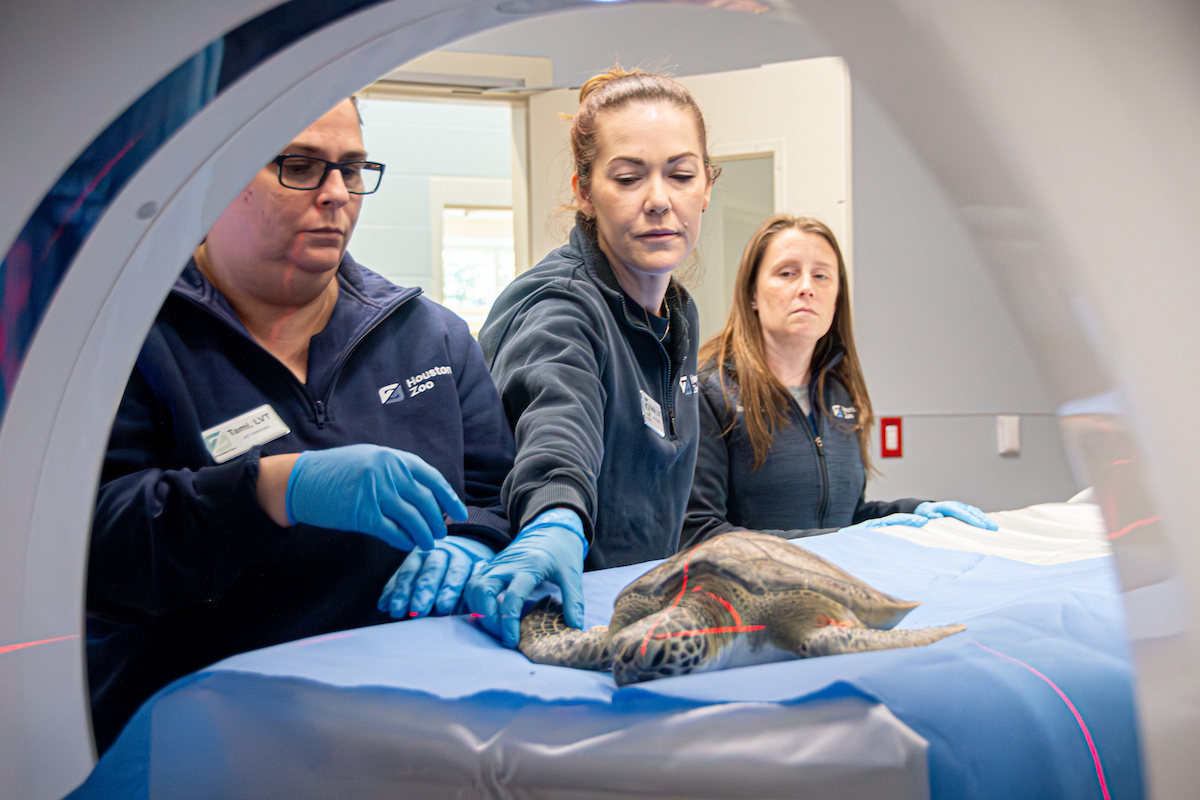
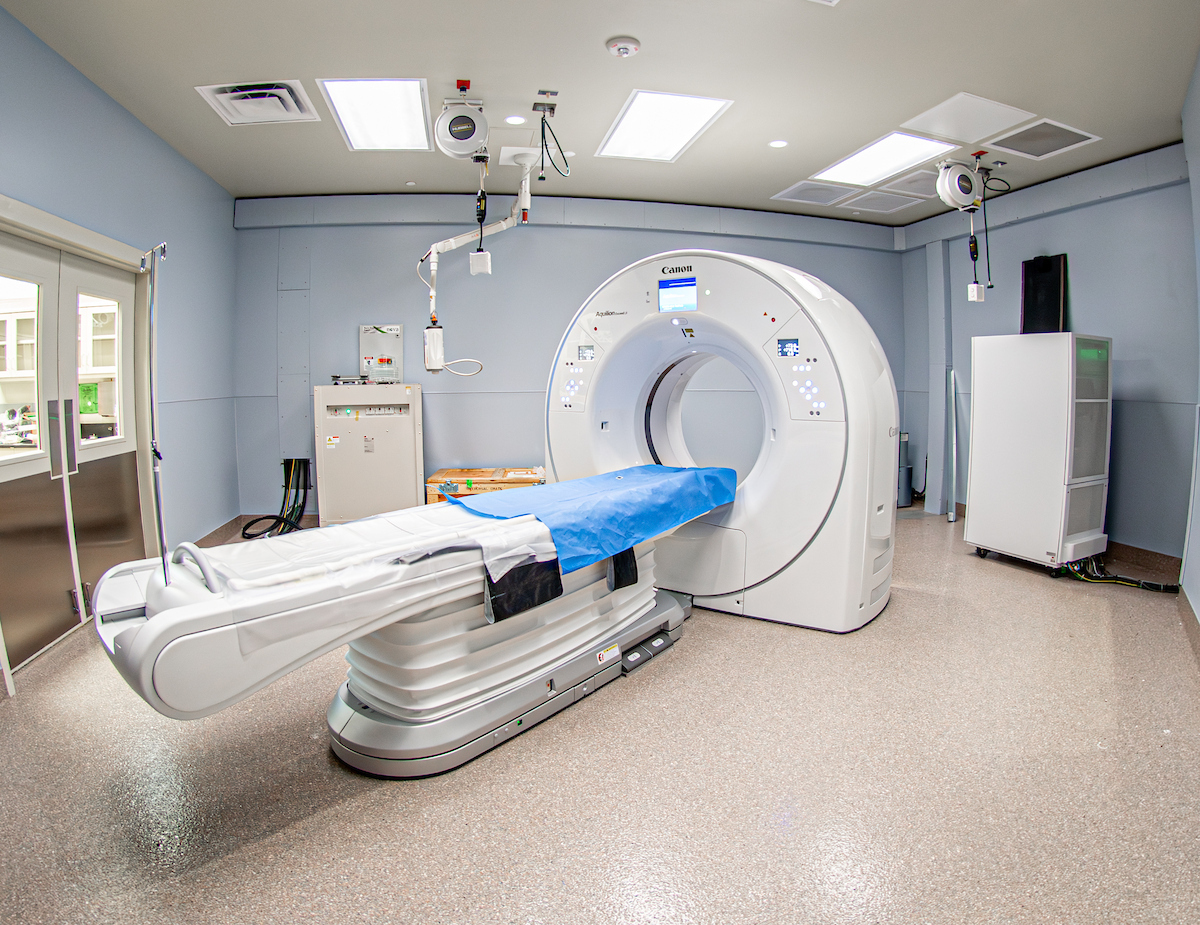
Houston Zoo is committed to providing world-class care to all its 4,300 animals, from creating a tiny neck brace for a Peruvian jumping stick to collaborating with Baylor College of Medicine to create the first-ever EEHV mRNA vaccine for Asian elephants. The Zoo is strengthening its dedication by becoming one of the few accredited zoos in the country to have an on-site CT machine. The technology allows the Zoo’s veterinary team to diagnose injuries and illnesses with greater speed and precision, improving outcomes for the animals in its care.
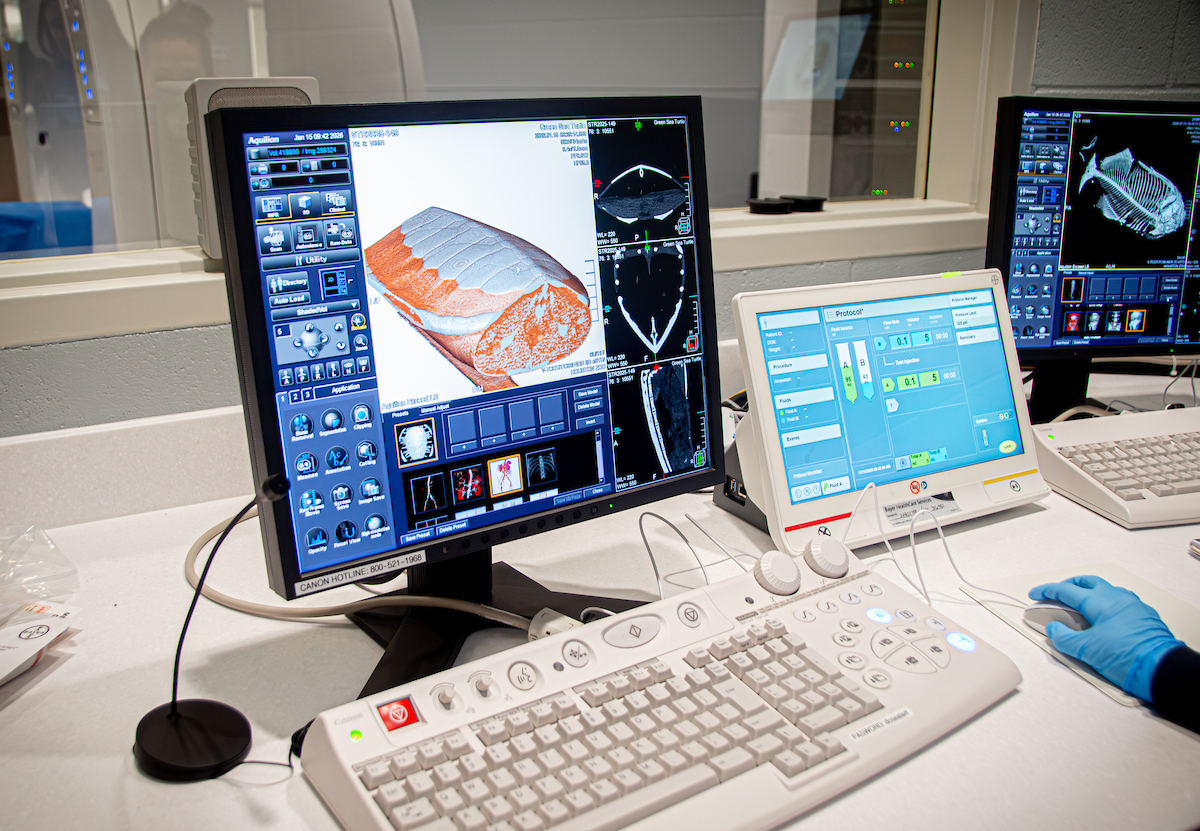
The CT machine produces highly detailed, 3-D images of the body including bones, organs, and other soft tissues, enabling veterinarians to detect issues that may not be visible through traditional X-rays, ultrasounds, or exams. Having this capability on site reduces the need to transport animals off grounds for advanced imaging, minimizing stress and allowing care teams to make faster, more informed treatment decisions.
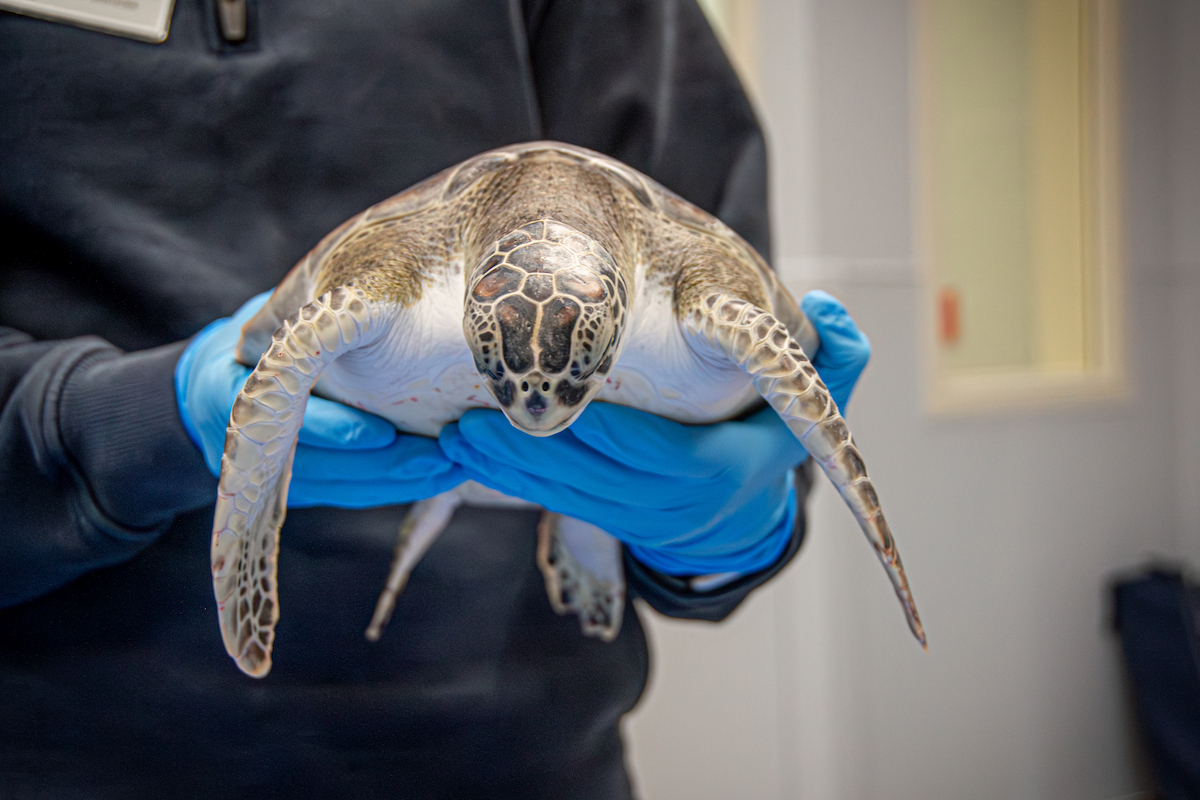
Houston Zoo partners with Texas A&M University at Galveston’s Gulf Center for Sea Turtle Research to provide care for 100+ sea turtles each year. However, this is the first time in its 104-year history the Zoo will be able to provide CT scans, the gold standard for sea turtle imaging, immediately upon arrival helping guide treatment plans and improve outcomes as the animals begin their rehabilitation journey.
The addition of the CT machine was entirely funded by a group of dedicated donors who are passionate about animal health, care, and well-being. Through their generosity, the $3.2 million Animal Health Capital Campaign also supports the newly created Zoological Medicine Residency, accredited through the American College of Zoological Medicine, at the Houston Zoo. Thanks to Houston’s culture of philanthropy, the Zoo was able to make this historic advancement a reality.
Beyond caring for animals at Houston Zoo, the new CT machine will also play an important role in global conservation work. Detailed imaging can help veterinarians and researchers better understand diseases, injuries, and health challenges facing endangered species. What is learned at Houston Zoo will be shared with conservation partners around the world to improve care for animals in the wild.