A Recap of our 2025 Saving Wildlife Symposium
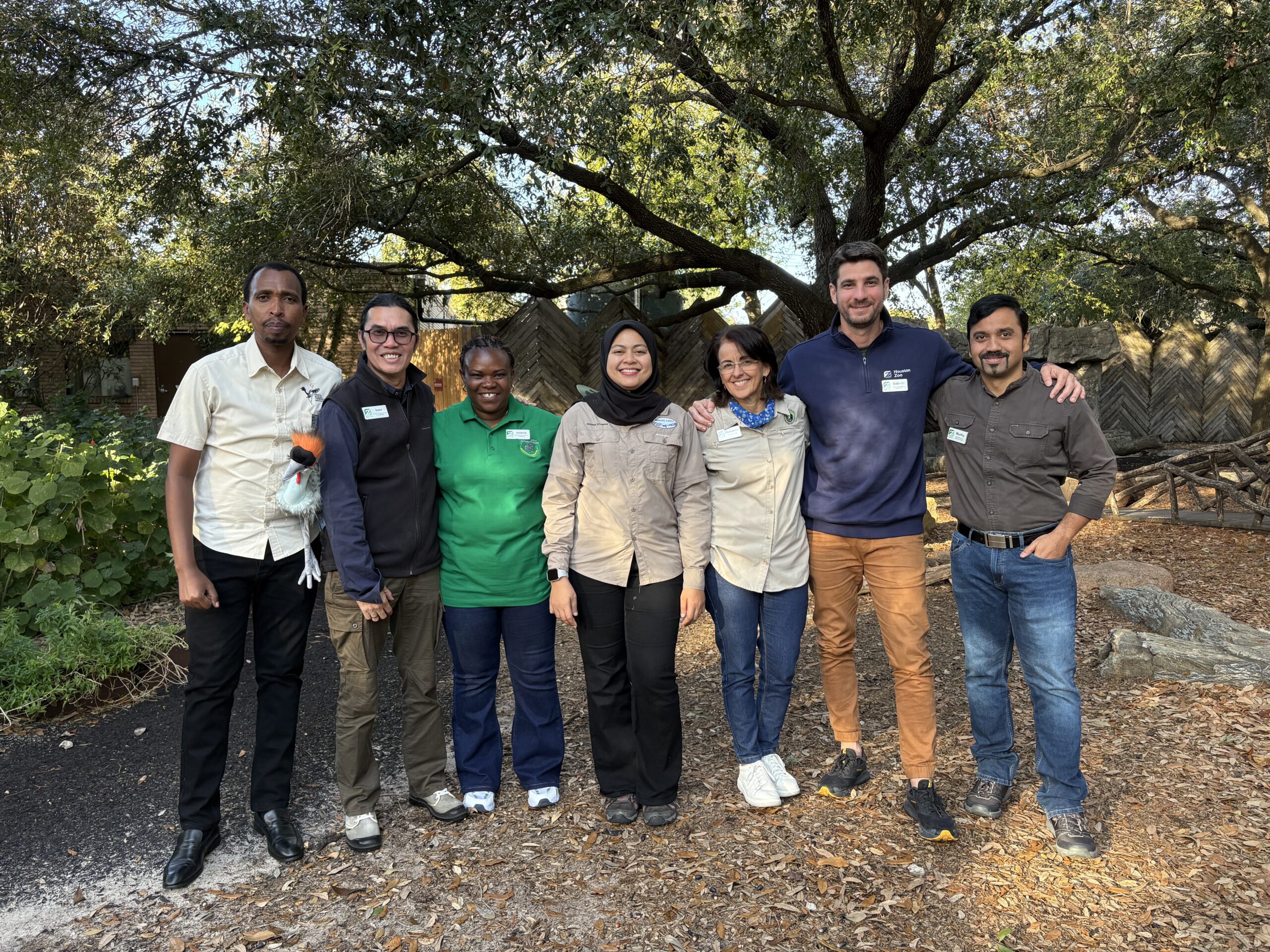 For the first time since 2023, we welcomed seven of our international conservation partners to Houston Zoo. During an internal symposium for staff, our partners shared powerful stories from the field and highlighted how together, we’re protecting wildlife in Malaysia, Indonesia, Brazil, Colombia, Rwanda, and India. Their visit was a meaningful reminder that the work we do together reaches far beyond Houston, improving lives and landscapes across the globe. Every time you visit Houston Zoo, you play a vital role in saving wildlife locally and globally.
From animal encounters to team lunches, symposium presentations to day-long program planning sessions, early morning sea turtle releases to Zoo Lights, and donor events to line dancing and bull riding at a local dance hall, our partners had the opportunity to not just witness, but to be truly immersed in the very best that our Zoo and our community has to offer. As we step into 2026, our partners left Houston feeling supported, connected, valued, and inspired in the global movement to save wildlife. Learn more about the seven partners we recently hosted.
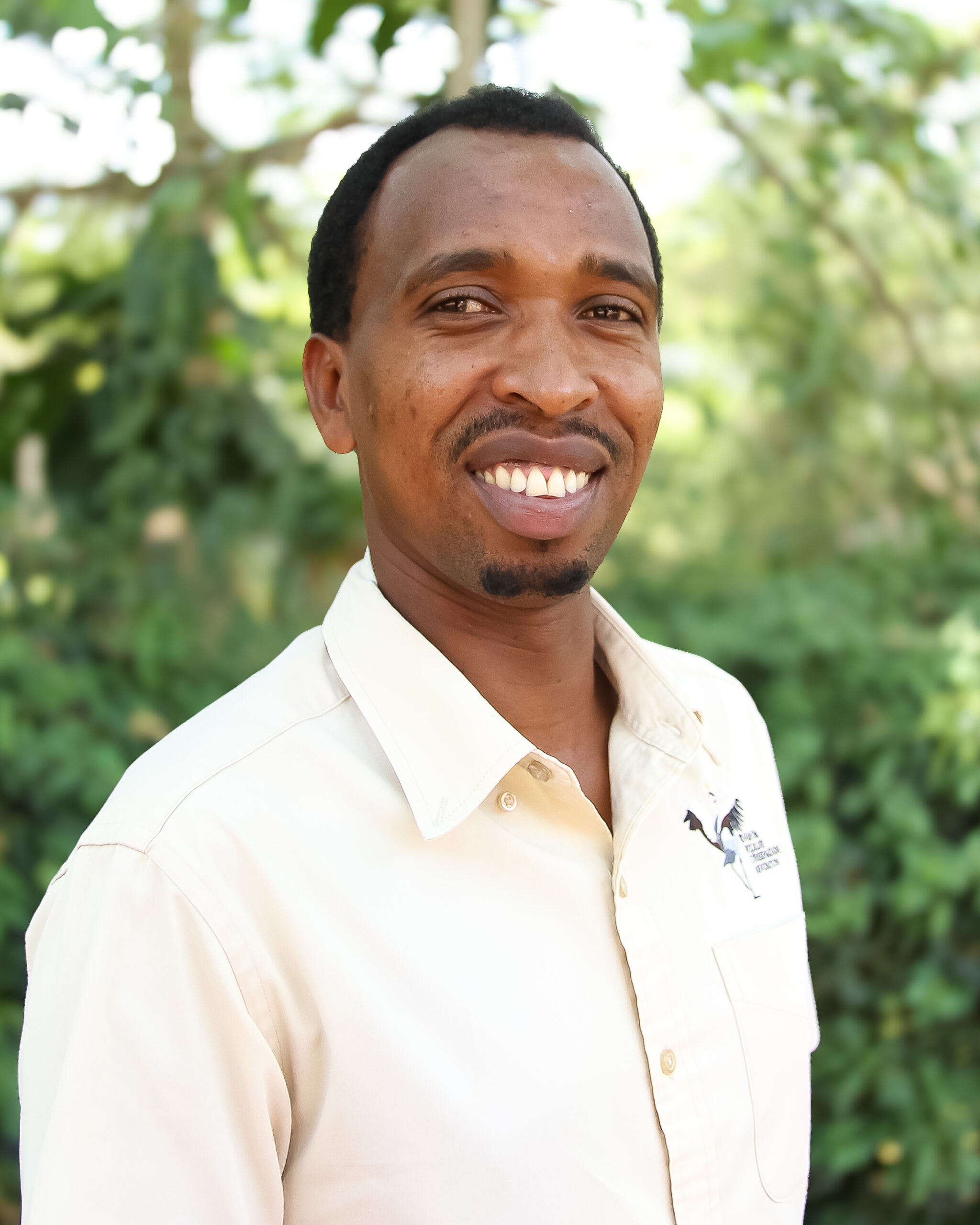 Dr. Deo Ruhagazi from Rwanda
Deo is the deputy director of the Rwanda Wildlife Conservation Association (RWCA). RWCA’s journey began in response to a crisis: the iconic and long-lived grey crowned crane was vanishing from Rwanda’s wetlands due to habitat loss, illegal trade, and human-wildlife conflict. RWCA was established to confront this challenge by ending the captivity of cranes, rehabilitating them for release, and coupling that work with community-led wetland protection and education, ensuring cranes could safely return to the wild. Their strategy worked. Today, grey crowned cranes are returning, breeding naturally, and thriving in areas where they had nearly disappeared.
Deo loved getting to connect with so many staff in informal settings like the dance hall and Zoo Lights, forming personal connections through dance, karaoke, and play.
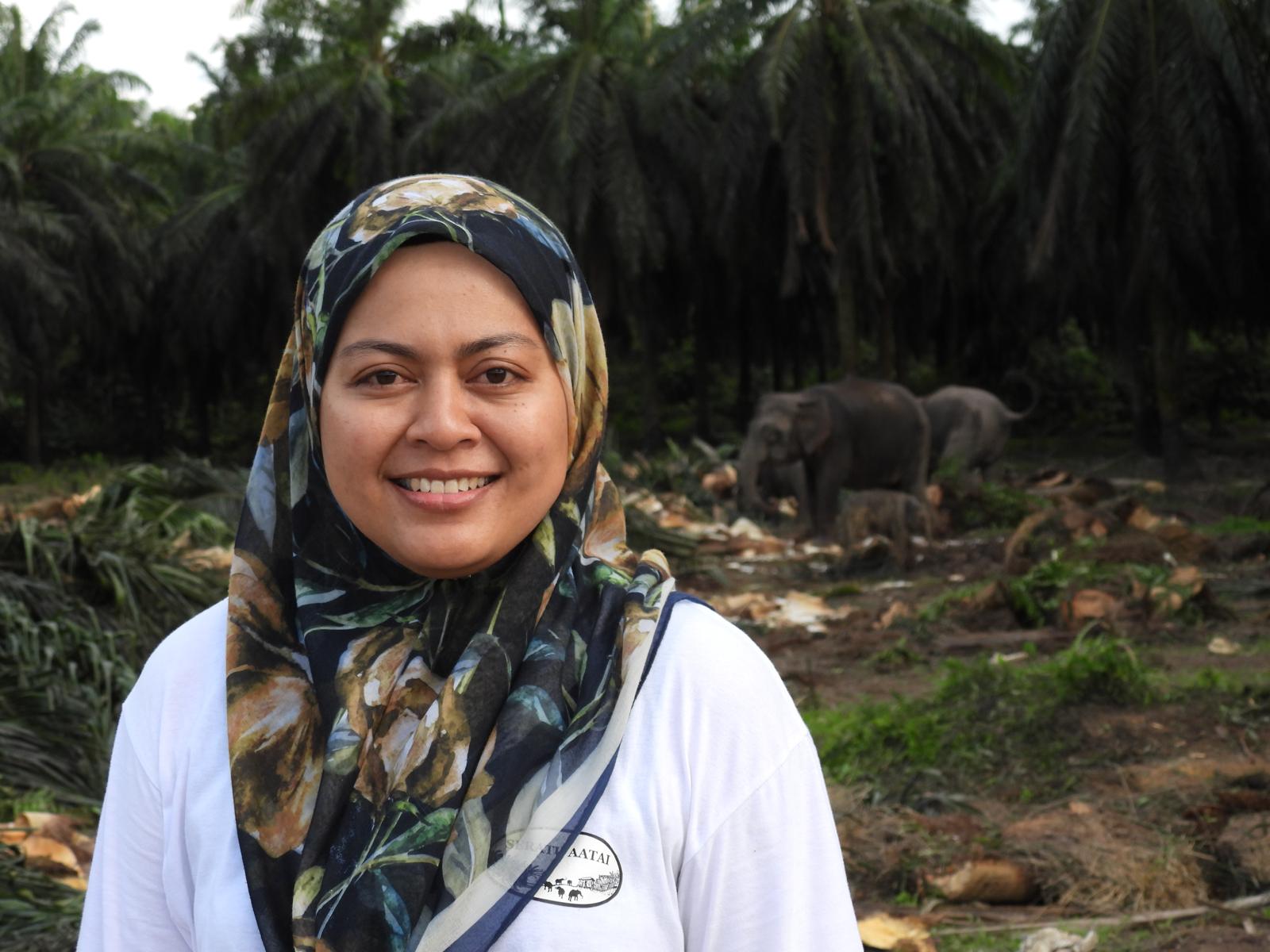 Dr. Nurzhafarina “Farnia” Othman from Borneo
Farina and her team at Seratu Aatai are dedicated to protecting Bornean elephants and helping communities in the Lower Kinabatangan region of Malaysia safely live alongside them. Seratu Aatai’s work monitoring elephant movements, responding to conflict calls at all hours, collaborating with local families, and protecting natural corridors is essential to keeping both people and elephants safe.
Farina shared how meaningful it was for partners to be included in the planning process for the Zoo’s conservation programming, getting to help put form around everything from the Zoo’s Conservation Action Plan to the Staff Conservation Fund.
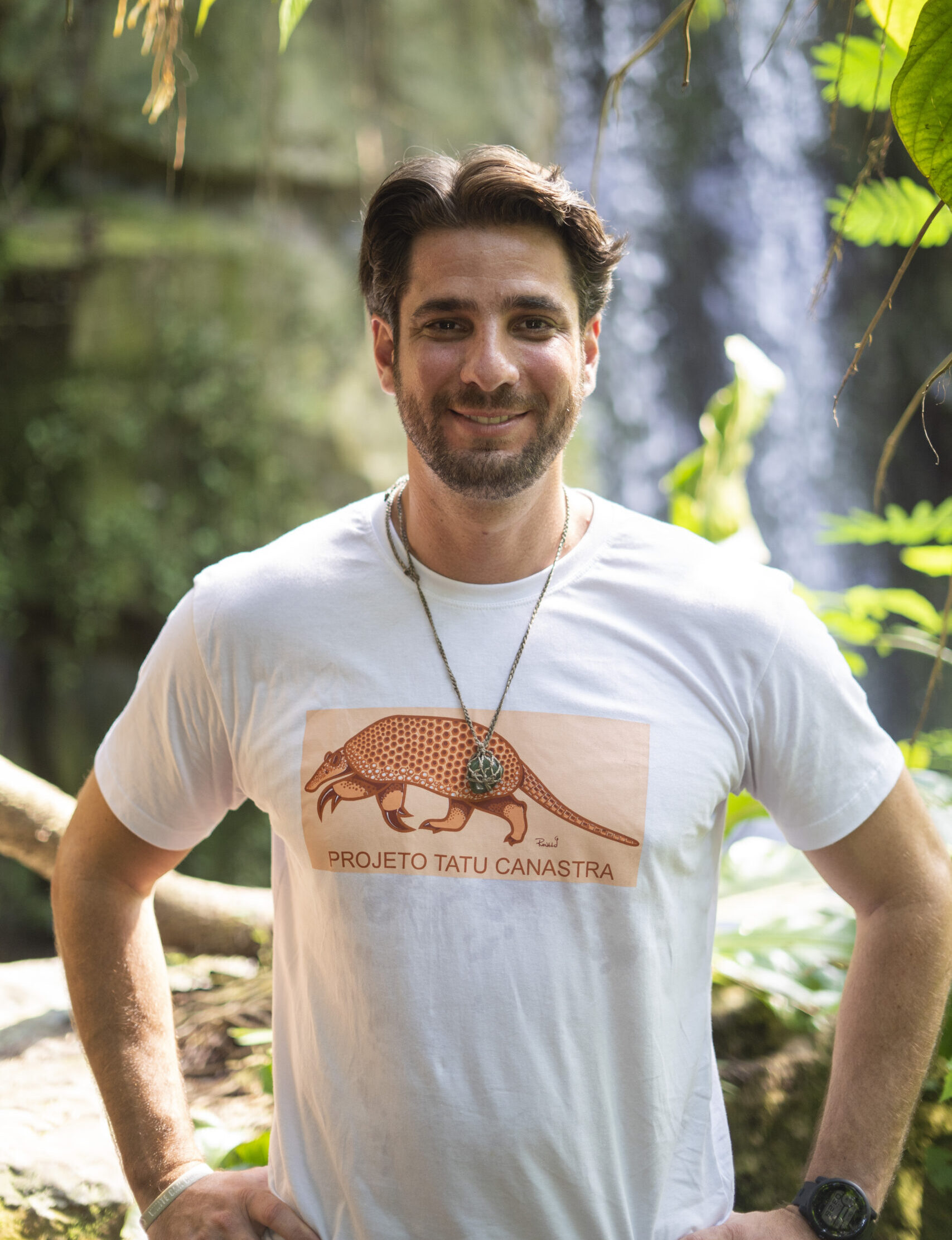 Gabriel Massocato from Brazil
Gabriel is from the Instituto de Conservação de Animais Silvestres (ICAS) and is the biologist leading the Giant Armadillo Project, the first long-term study of one of South America’s most elusive and ecologically important mammals. Giant armadillos are rarely seen in the wild, yet they play an outsized role as ecosystem engineers. Their massive burrows provide stable temperatures, shelter, and refuge used by dozens of other species. Protecting giant armadillos means supporting entire wildlife communities, like the animals you see in our South America’s Pantanal exhibit.
ICAS’s work extends beyond armadillos. Through the Anteaters & Highways Project, the team studies how habitat fragmentation, expanding road networks, and agricultural development affect giant anteaters, tapirs, and other wildlife. By mapping collision hotspots, conducting GPS monitoring, and working with transportation agencies, ICAS provides the data and tools needed to prevent wildlife-vehicle collisions and improve road planning across the region. Gabriel’s work complements these efforts, and Houston Zoo proudly supports both initiatives.
Gabriel was in awe getting to see the South America’s Pantanal exhibit for the first time and remarked about how beautifully it reflects the landscape in which he works and how it helps to connect new audiences with the animals his team is working to protect.
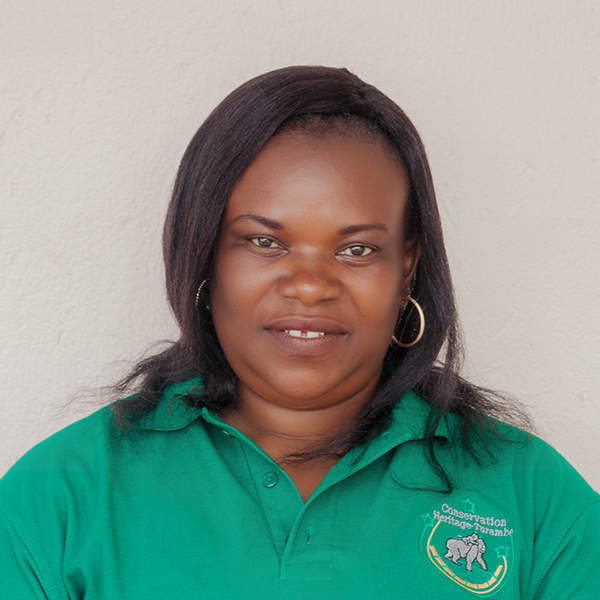 Valerie “Val” Akuredusenge from Rwanda
Val is the director for Conservation Heritage-Turambe (CHT) in Rwanda. CHT works with communities surrounding Volcanoes National Park to support mountain gorillas and strengthen human-wildlife coexistence through education, economic opportunities, and conservation outreach. Val is one of the Zoo’s gorilla conservation partner, working together for over 12 years. She teaches local Rwandan school children and community members living close to gorillas about conservation and health to ensure they live in harmony with gorillas and their habitat.
Val was grateful for the many conversations she had with team members throughout the week and said it was such a pleasure to be able to share and learn from one another.
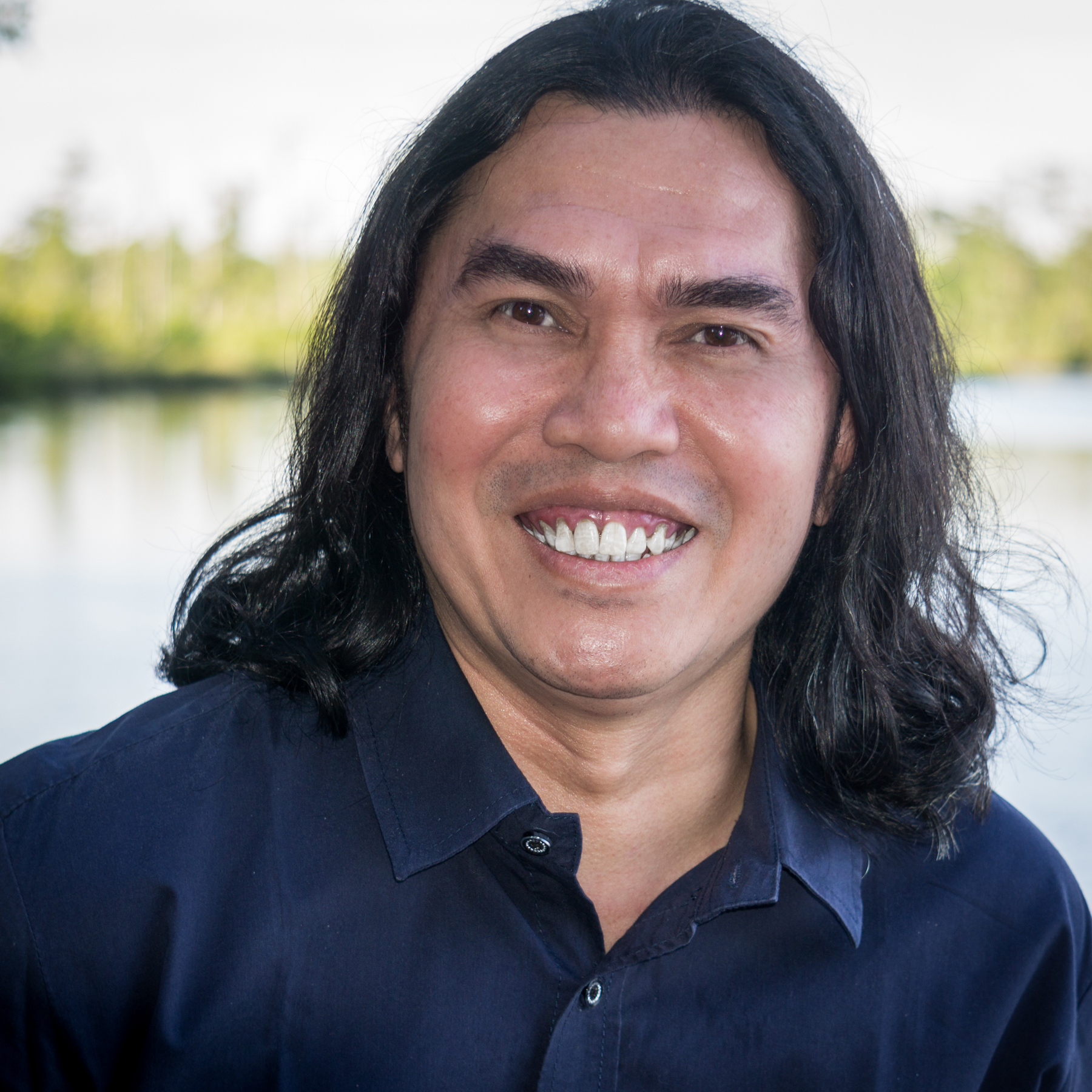 Inov Sectionov from Indonesia
Meet our newest conservation partner, International Rhino Foundation (IRF). Inov is the IRF’s Indonesia program director and has devoted more than 20 years to protecting Javan rhinos. He oversees field patrols, camera trap monitoring, and habitat restoration projects that are giving these animals a fighting chance to recover. By partnering with IRF, the Houston Zoo is helping ensure that these extraordinary animals have a future.
Inov was blown away by how welcoming everyone was and told us how his experience in Houston filled his cup and gave him renewed strength as he and his team face conservation challenges at home.
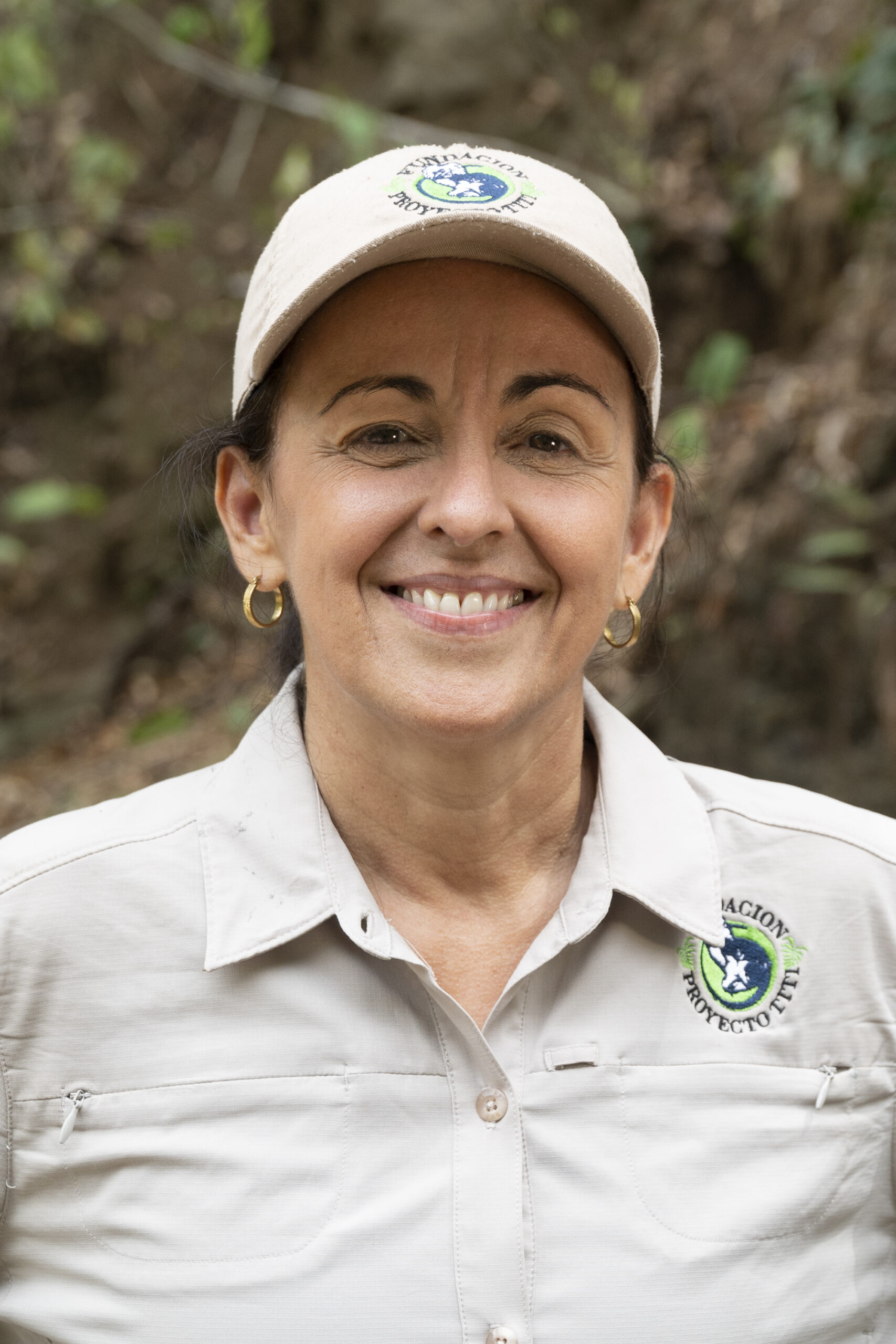 Rosamira Guillen from Colombia
Rosamira is the executive director of Fundación Proyecto Tití. For decades, Proyecto Tití has worked diligently to monitor and protect the habitat of the cotton-top tamarin, a one pound monkey found only in the tropical forests of northern Colombia. The biodiversity of the northern Colombian forest Proyecto Tití impacts is well-represented throughout the Zoo.
Cotton-top tamarins share the forest with species we care for every day at the Zoo including: green-winged macaws, cougars, ocelots, giant river otters, red footed tortoises, southern lapwings, capybaras, and more. Our partnership with Proyecto Tití supports the work of field biologists from three strategic conservation impact areas: Santa Catalina, San Juan Nepomuceno, and Colosó.
Rosamira shared how much it means to have a partner like Houston Zoo doing incredible conservation work in their own community, while trusting her team to deliver the same impact in Colombia.
 Murthy Kantimahanti from India
Murthy is the founder and CEO of the Eastern Ghats Wildlife Society (EGWS). Murthy established EGWS to address a critical conservation gap in India’s Eastern Ghats: an expansive, biodiverse mountain range where reptiles, especially venomous snakes like the king cobra, face increasing pressures from habitat loss, human-wildlife conflict, and widespread misunderstanding.
By teaching local residents how to safely coexist with snakes, training forest department staff, and reducing retaliatory killing, Murthy and his team protect both people and wildlife while elevating the ecological importance of species often feared or overlooked.
Murthy expressed his gratitude for the warmth and love shown to him and the other partners, sharing that he truly feels like an extended family member of the Houston Zoo.